

Cleaning & care
Washing with no water supply, vacuuming the cabin, bringing back the paint and the headlights. Seven products, each with what the manufacturer claims and what we actually observe.
Showing all 10 results
-
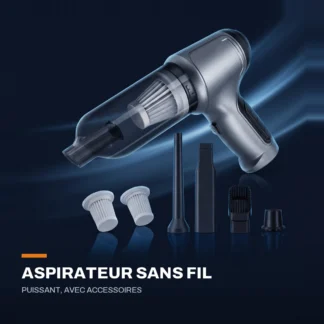
Cordless car vacuum — powerful, with attachments
29,99 € Add to cart Buy now -
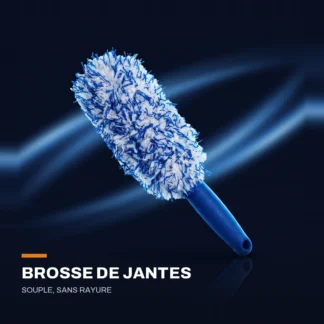
Microfibre wheel brush — soft, scratch-free
16,99 € Select options This product has multiple variants. The options may be chosen on the product page -
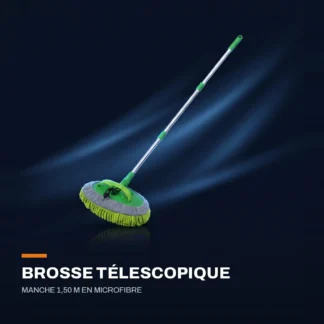
Telescopic wash brush — 1.5 m handle, microfibre
21,99 € Add to cart Buy now -
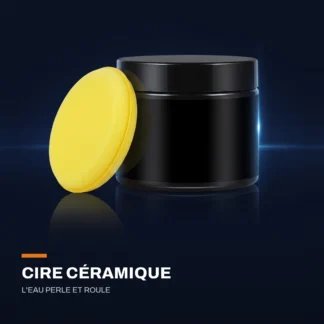
Nano ceramic wax — glossy finish and water-beading effect
16,99 € Select options This product has multiple variants. The options may be chosen on the product page -
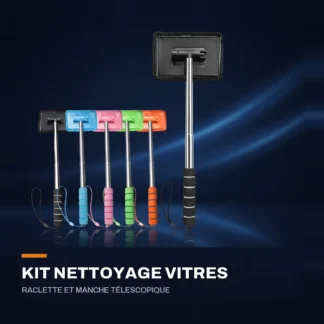
Window cleaning kit — squeegee and telescopic handle
14,99 € Select options This product has multiple variants. The options may be chosen on the product page -
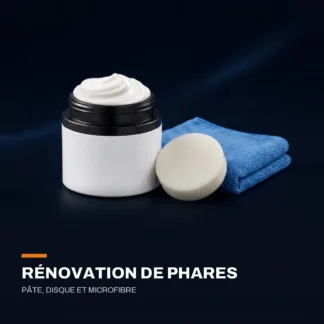
Headlight restoration kit — compound, pad and microfibre
From 16,99 € Select options This product has multiple variants. The options may be chosen on the product page -
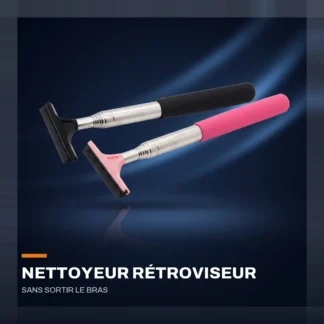
Telescopic mirror cleaner — brush and squeegee
12,99 € Select options This product has multiple variants. The options may be chosen on the product page -
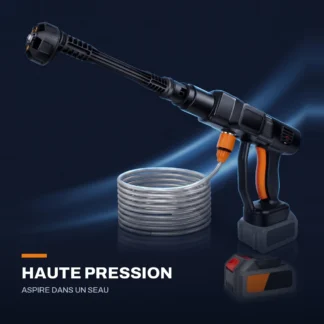
Cordless pressure washer — 6-jet nozzle, draws from a bucket
From 89,99 € Select options This product has multiple variants. The options may be chosen on the product page -
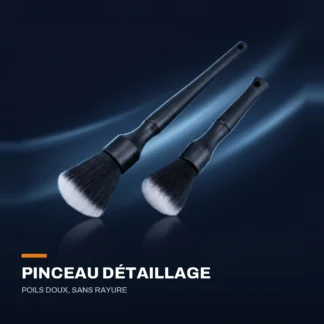
Interior detailing brush — soft bristles
From 15,99 € Select options This product has multiple variants. The options may be chosen on the product page -
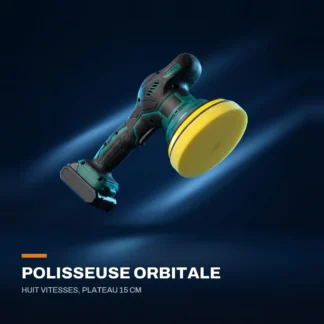
Cordless orbital polisher — 8 speeds, 15 cm backing plate
From 109,99 € Select options This product has multiple variants. The options may be chosen on the product page
Showing all 10 results
The "200 bar" claims of cordless washers
Let us say it straight away: the pressures claimed for battery pressure washers are theoretical peak figures, measured with the nozzle closed. A machine powered by a 21 V battery delivers, in real use, a pressure of the order of 20 to 45 bar, whatever the figure printed on the box. An entry-level mains washer stays above that.
That does not disqualify them, it shifts where their value lies: they wash a car with no tap and no socket, drawing water from a bucket, a river or a jerrycan. It is the only kind of machine that lets you wash while camping, in a car park or outside a garage with no water supply. Allow a flow of around 4 L/min and a real run time of some fifteen minutes per battery, which is one car per charge.
Vacuuming a cabin
The useful criterion is not the wattage on the box but the suction, and above all the attachments: it is the fine brush that reaches the seat runner and the crevice tool that goes between the cushions. A cordless car vacuum is for routine upkeep; for a cabin that has never been cleaned, you first have to lift the dirt with a detailing brush, otherwise the suction only takes the surface.
Polisher: what it corrects, and what it does not
An orbital polisher removes the swirl marks and wash marks, the ones that appear in bright sun as a cobweb pattern. It will not lift a scratch you can catch with a fingernail: that one goes through the clear coat and is a bodyshop job.
The orbital movement, unlike a rotary, does not burn the paint even if you dwell too long in one place: that is what makes it usable without experience. Two precautions are enough — work on a clean, dry car, and start at the lowest speed.
Yellowed Headlights
Yellowing is oxidation of the polycarbonate at the surface. An abrasive compound and a pad remove it, and the result is striking within half an hour. The point the kits rarely mention: without a protective lacquer applied afterwards, the oxidation returns within six to twelve months, sooner on a car parked outside.
The order that saves you time
Outside before inside, top before bottom, wheels last with a dedicated brush — a wheel brush used on the bodywork carries brake dust onto it, and that dust is abrasive. And wash in the shade: in the sun, the water dries before you can wipe it and leaves exactly the limescale marks you were trying to avoid.
The questions we get asked
- Is a cordless pressure washer as good as a mains model?
- Not on pressure: a 21 V battery device really delivers 20 to 45 bar, far from the peak figures claimed. Its value lies elsewhere: washing with no tap and no socket, drawing water from a bucket.
- Can an orbital polisher damage the paint?
- It is very hard to: the orbital movement does not concentrate the heat in one place, unlike a rotary. Work on a clean, dry car, and start at the lowest speed.
- How long does a headlight restoration last?
- Six to twelve months if no protective lacquer is applied after sanding, less on a car parked outside. Restoration removes the oxidation, it does not stop it coming back.