

Comfort & travel
Long trips, nights spent in the car, the back that starts pulling after two hours. Eleven products chosen for a specific use, with their dimensions and their limits stated upfront.
Showing all 13 results
-

Under-seat storage box — the cabin’s hidden drawer
19,99 € Select options This product has multiple variants. The options may be chosen on the product page -

Memory foam lumbar cushion and headrest
From 19,99 € Select options This product has multiple variants. The options may be chosen on the product page -

Car headrest hook — holder for bags, groceries and umbrellas
From 13,99 € Select options This product has multiple variants. The options may be chosen on the product page -
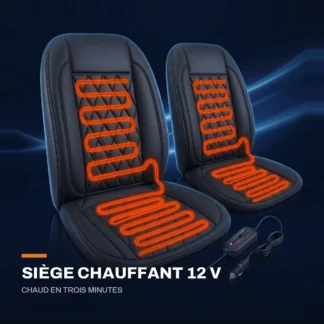
12 V heated seat cover — warm in three minutes
From 29,99 € Select options This product has multiple variants. The options may be chosen on the product page -
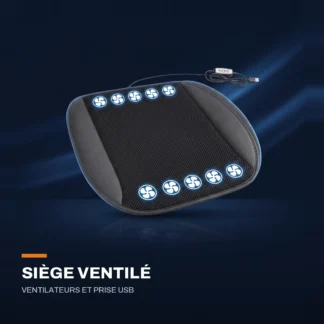
Ventilated seat cover — built-in fans, USB plug
From 40,99 € Select options This product has multiple variants. The options may be chosen on the product page -
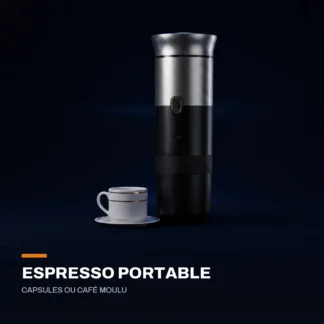
Portable espresso machine — capsules or ground coffee, heats the water
From 89,99 € Select options This product has multiple variants. The options may be chosen on the product page -

Inflatable mattress with built-in pump — for sleeping in the car or under canvas
44,99 € Select options This product has multiple variants. The options may be chosen on the product page -

Side window sun shades — pack of 2, suction cup fitting
16,99 € Select options This product has multiple variants. The options may be chosen on the product page -

Cup holder meal tray — swivels, with phone holder
31,99 € Add to cart Buy now -
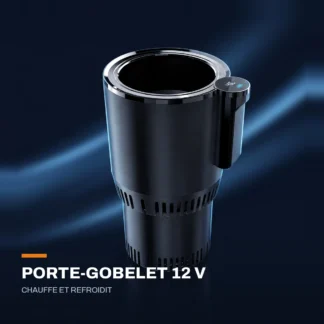
12 V heating and cooling cup holder — touch screen
45,99 € Add to cart Buy now -

Padded seatbelt cover — pack for kids and adults
11,99 € Select options This product has multiple variants. The options may be chosen on the product page -
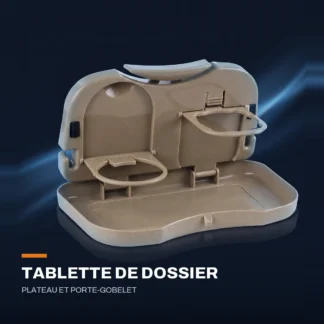
Seat back table — tray, cup holder and storage
19,99 € Select options This product has multiple variants. The options may be chosen on the product page -

3-head car fan — 360°, USB and 12 V
29,99 € Select options This product has multiple variants. The options may be chosen on the product page
Showing all 13 results
The back, two hours into the drive
A car seat is designed to hold you in place in a crash, not to support your spine for four hours. The lower back is the first to give: the pelvis tilts back, the spine rounds, and pain sets in around the second hour. A memory foam cushion fills that gap and levels the pelvis back out.
Two points are worth checking before ordering: thickness, since a cushion that's too thick moves the driving position forward and changes your reach to the pedals, and the fastening system, since a cushion that slides with every braking is worse than nothing.
Heating, cooling: what it changes and what it draws
A 12V heated seat cover warms up in two to three minutes, well before the engine's heater does: that's its real value on short winter trips, when the cabin doesn't have time to warm up. A ventilated cover does the opposite in summer — it doesn't cool the air, it clears the moisture, which is enough to get rid of that soaked-back feeling.
Both plug into the cigarette lighter socket. Check the rated current: two heating accessories on the same socket often exceed the fuse limit.
Sleeping in your car
An inflatable mattress for the back seat turns the cabin into a backup bed, provided you check three things: the available length with seats folded down, whether a pump is built in (otherwise you'll need to bring a compressor), and the fabric, since a plasticized surface gets uncomfortable as soon as it's warm.
Overnight parking, on the other hand, comes down to local rules: sleeping in a vehicle at a highway rest area is allowed, but many towns ban it by local ordinance. Check beforehand — it saves you an unpleasant wake-up call.
Eating, drinking and working while stopped
A cup-holder tray or a seatback tablet is for a break, not for driving: none of it should stay unfolded while the car is moving. At 50 km/h, a one-kilo object weighs the equivalent of twenty kilos in an emergency stop, and an unfolded tablet becomes a projectile.
The heating and cooling cup holder meets a simple need on long trips: keeping coffee hot or a can cold without a cooler. Allow a few minutes to reach temperature, and expect continuous power draw as long as it's plugged in.
The questions we get asked
- Does a lumbar cushion fit all cars?
- Almost all, but thickness matters: a thick cushion moves the driving position forward and changes your reach to the pedals. Also check the retaining strap, a cushion that slips under braking isn't doing its job.
- Does a 12V heated cover damage the battery?
- Not with the engine running, the alternator supplies the current. With the engine off, though, it drains the battery quickly: it isn't meant for extended use while parked.
- Are you allowed to sleep in your car?
- Yes, at highway rest areas and service stations. In towns, many municipalities ban it by local ordinance: the rule depends on where you are, so check before settling in for the night.